
Missing teeth can affect how you eat, speak, and feel about your smile. Same-day dental implants offer a faster solution than traditional implants, which can take several months to complete.
Instead of waiting through multiple appointments and healing periods, you can walk out of your dentist’s office with a new tooth on the same day as your implant surgery.
You are likely a good candidate for same-day dental implants if you have healthy gums, enough jawbone density to support the implant, no active infections, and are committed to following post-surgery care instructions.
Not everyone qualifies for this procedure. Your overall health, lifestyle habits like smoking, and specific dental conditions all play a role in whether same-day implants will work for you.
Understanding what makes someone eligible for same day dental implants candidacy helps you make an informed choice about your dental care.
This guide walks you through the key factors that determine candidacy, what to expect during the process, and how to know if this option fits your needs.
Key Takeaways
- Same-day dental implants work best for patients with good bone density, healthy gums, and no serious health conditions that slow healing
- You must follow a soft-food diet and careful aftercare instructions for several months while your bone fuses with the implant
- Patients who need bone grafting or have gum disease may require traditional staged implants instead of same-day placement
What Are Same-Day Dental Implants?
Same-day dental implants let you walk out of the dentist’s office with new teeth in just one appointment.
This modern approach combines implant placement and tooth restoration into a single visit, eliminating the months-long wait that traditional methods require.
Immediate Load Implants: Key Differences from Traditional Implants
Immediate load implants work differently than traditional implants because they receive a temporary crown right away.
Traditional implants require you to wait three to six months between surgery and getting your new tooth.
During this healing period, the implant fuses with your jawbone through a process called osseointegration.
Same-day dental implants skip the waiting period. Your dentist places the titanium post into your jawbone and attaches a temporary restoration during the same visit.
The key requirement for immediate dental implants is having enough healthy bone density to support the implant right away.
Traditional implants may need bone grafting first, which adds several months to your treatment. One-day implants eliminate multiple surgeries and reduce the number of appointments you need.
Teeth in a Day and Immediate Smile Restoration
The teeth in a day process restores your smile immediately after implant surgery. You won’t need to wear temporary dentures or go without teeth while healing.
This matters most if you’re replacing front teeth or multiple visible teeth.
Your dentist uses advanced imaging technology like cone-beam computed tomography (CBCT) to plan your procedure.
These 3D scans show your bone structure and help position implants precisely. Digital planning allows your dental team to create your temporary crown before surgery even begins.
The immediate smile restoration gives you confidence right away. You can eat soft foods and speak normally while your implant heals.
Most people return to work within a day or two after the procedure.
How Implant Placement and Temporary Crowns Work
The same-day tooth replacement process starts with removing any damaged tooth if needed. Your dentist numbs the area with local anesthesia to keep you comfortable.
They then drill into your jawbone and insert the titanium implant using a surgical guide for accuracy.
After securing the implant, your dentist attaches a small connector called an abutment. The temporary crown snaps onto this abutment.
This provisional tooth is designed carefully to avoid putting too much pressure on the implant while it heals.
Your temporary crown looks natural but isn’t as strong as the permanent one. You’ll need to stick to softer foods and avoid chewing directly on the implant for several weeks.
After three to six months of healing, your dentist replaces the temporary crown with a permanent restoration made from durable materials like porcelain or zirconia.
Ready to smile with confidence again? Schedule your free dental implant consult today. Let our specialists evaluate your candidacy and create a plan to restore your smile in just one day.
Who Qualifies for Same-Day Dental Implants?
Your eligibility for same-day dental implants depends on several physical factors that your dentist will evaluate.
The strength of your jawbone, the health of your gums, and the type of tooth loss you’re experiencing all play important roles in determining if you’re a good candidate.
Jawbone Density and Bone Quality Requirements
Your jawbone needs to be strong enough to support dental implants immediately after placement.
Bone density is essential because implants require a solid foundation to hold prosthetic teeth securely.
Dentists evaluate bone quality using X-rays or CT scans before the procedure. If you have significant bone loss, you might not qualify for same-day placement without additional treatment first.
Key bone requirements include:
- Sufficient bone height and width in the jaw
- Dense bone structure that can hold implants firmly
- No active bone disease or deterioration
- Adequate healing capacity
Patients with poor bone density may need bone grafting before getting implants.
This process takes several months to complete, which means you wouldn’t be eligible for immediate placement until the graft heals.
Importance of Healthy Gums and Oral Health
Good oral health is crucial for same-day implant success. You need healthy gums without active gum disease or infections.
Any existing dental problems must be treated before you can receive same-day implants. Untreated gum disease can cause implant failure because bacteria interfere with proper healing.
Your dentist will check for:
- Signs of gingivitis or periodontitis
- Active infections in your mouth
- Severe tooth decay in remaining teeth
- Overall gum tissue health
If you have gum disease, your dentist will treat it first. Once your gums are healthy, you can move forward with the implant procedure.
Suitability for Replacing Missing Teeth
Same-day dental implants can replace single teeth, multiple teeth, or even a full arch of teeth. The number and location of your missing teeth affect your candidacy.
You might be a good candidate if you’re replacing one tooth that was recently extracted.
The implant can often be placed in the same appointment as the extraction.
Ideal scenarios include:
- Single tooth replacement in the front or back
- Multiple teeth missing in one area
- Full arch replacement using four to six implants
- Recent tooth loss with minimal bone deterioration
Many patients who were previously told they weren’t candidates may now qualify due to improved techniques. Your specific situation determines which approach works best for you.
Role of Advanced Imaging in Candidacy
Advanced imaging, planning, and placement technology help dentists determine if you qualify for same-day implants.
These tools provide detailed views of your jawbone structure and oral health.
3D cone beam CT scans create precise images of your jaw. Your dentist uses these images to plan exact implant placement before the procedure starts.
Digital imaging helps identify:
- Exact bone density measurements
- Nerve and blood vessel locations
- Optimal implant positioning angles
- Potential complications before surgery
This technology allows dentists to work with patients who have complex cases. The detailed planning ensures your implants are placed safely and accurately in a single visit.
Key Medical and Lifestyle Factors Affecting Candidacy
Your overall health and daily habits play a major role in whether same-day dental implants will work for you.
Chronic conditions, smoking, and teeth grinding can all impact how well your body accepts the implant and how long it lasts.
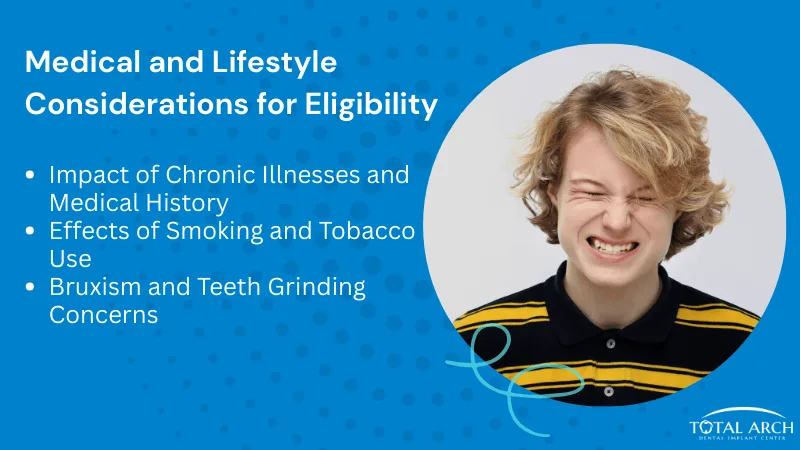
Impact of Chronic Illnesses and Medical History
Your medical history directly affects your chances of successful implant placement. Diabetes can slow down healing and increase your risk of infection around the implant site.
If you have uncontrolled diabetes, your body may struggle to support proper jawbone integration with the implant.
Heart disease and blood clotting disorders also need careful consideration. These conditions can complicate the surgical procedure and recovery process.
You’ll need to discuss any medications you take with your dentist, especially blood thinners.
Autoimmune diseases like rheumatoid arthritis or lupus can affect implant stability. These conditions may weaken your immune response and impact how your body heals after surgery.
Conditions like diabetes or heart disease can impact healing and need to be managed before moving forward with treatment.
Cancer treatments including radiation therapy to the head or neck can damage jawbone health. Osteoporosis medications called bisphosphonates may also affect bone healing around implants.
Effects of Smoking and Tobacco Use
Smoking is one of the biggest risk factors for implant failure. Tobacco use reduces blood flow to your gums, which slows healing and makes infections more likely.
This poor circulation prevents your jawbone from properly fusing with the implant.
Smokers face higher rates of complications after implant surgery. The chemicals in cigarettes weaken your immune system and interfere with bone regeneration.
Your risk of developing periodontal disease also increases significantly with tobacco use.
If you smoke, your dentist may ask you to quit at least two weeks before surgery. Many dental professionals recommend stopping tobacco use entirely for the best results.
Even vaping can negatively impact implant success, though research is still ongoing about its full effects.
Bruxism and Teeth Grinding Concerns
Teeth grinding puts excessive force on dental implants. This constant pressure can loosen the implant or cause it to fail over time.
Bruxism is especially concerning for same-day implants since they need time to integrate with your bone.
You might grind your teeth at night without realizing it. Common signs include jaw pain, headaches, and worn tooth surfaces. Your dentist will check for these indicators during your consultation.
If you have bruxism, you’ll likely need a custom night guard to protect your implant. This device cushions your teeth and reduces the stress on the implant.
Managing your teeth grinding is essential for maintaining implant health and preventing damage to both the implant and surrounding teeth.
Stop waiting months for a new smile. Contact us now to discover if same-day dental implants are right for you. We’ll answer all your questions.
Understanding the Procedure and Aftercare Essentials
Same-day dental implants involve precise surgical steps and require specific care during healing.
Your commitment to following dietary restrictions and hygiene protocols directly affects how well your implants integrate with your jawbone.
Implant Surgery and Immediate Restoration Steps
Your dentist starts by taking detailed 3D scans of your jaw to plan exact implant placement. These images show bone density and help create your temporary prosthetic teeth before surgery begins.
During the procedure, your dentist places titanium posts into your jawbone using computer-guided technology. This precision ensures the implants sit at the correct angle and depth for immediate loading.
After placing the implants, your dentist attaches temporary dentures or crowns right away. This immediate restoration gives you functional teeth to leave the office with on the same day.
The entire process typically takes a few hours depending on how many implants you need. Local anesthesia or sedation keeps you comfortable throughout the dental restoration procedure.
Osseointegration and Implant Integration
Osseointegration is when your jawbone grows around and fuses with the titanium implant. This process takes three to six months to complete fully, even though you receive teeth immediately.
During implant integration, your bone cells attach to the implant surface and create a strong foundation. The titanium material encourages bone growth because your body accepts it as biocompatible.
Your temporary teeth stay in place while osseointegration happens beneath the gum line. The implants gain strength gradually as more bone tissue connects with the metal posts.
Key factors affecting integration:
- Bone density and quality
- Your overall health status
- Whether you smoke
- How well you follow aftercare instructions
Temporary Prosthetic Teeth and Dietary Guidelines
Your temporary restoration protects the implant site while providing acceptable function during healing.
These prosthetic teeth look natural but have limitations compared to your final crowns or bridges.
You need to avoid hard or chewy foods for several weeks after implant surgery. Stick to soft foods like yogurt, mashed potatoes, scrambled eggs, and smoothies.
Foods to avoid during healing:
- Hard nuts or candy
- Chewy meats or bagels
- Crunchy vegetables or chips
- Sticky foods like caramel
Your dentist will tell you when to gradually add firmer foods back into your diet. Most patients can return to normal eating once the implants fully integrate with the bone.
Commitment to Long-Term Oral Hygiene
Proper cleaning around your implants prevents infection and ensures long-term success. You must brush twice daily and floss around the implants just like natural teeth.
Use a soft-bristled toothbrush and non-abrasive toothpaste to clean your prosthetic teeth gently. Pay special attention to where the restoration meets your gum line.
Your dentist may recommend special tools like interdental brushes or water flossers. These devices help remove food particles and plaque from hard-to-reach areas around implants.
Schedule regular checkups every three to six months for professional cleaning and monitoring. Your dental team will check implant stability and watch for any signs of gum disease or complications.
Patients with a history of gum disease require ongoing maintenance to protect their investment. Your oral health directly impacts how long your dental restoration lasts.
Don’t let missing teeth hold you back any longer. Visit us in Stuart, F, or call today to book your consultation.
When Bone Grafting or Alternative Solutions Are Needed
Not everyone qualifies for same-day dental implants right away. Your jawbone density and volume play a major role in determining whether you need additional procedures first.
Managing Bone Loss Before Implant Placement
When you’ve experienced bone loss due to missing teeth or gum disease, your jawbone may lack the strength needed to support an implant.
Without the stimulation from chewing, your jaw undergoes bone resorption where it gradually shrinks over time.
Your dentist will use advanced imaging like X-rays or CT scans to measure your bone height, width, and density.
These scans show exactly where bone grafting might be necessary to create a stable foundation.
Bone grafting involves adding bone material to areas where your jaw has deteriorated. The graft material acts as a scaffold for new bone growth through a process called osseointegration.
This rebuilt bone eventually integrates with your existing jawbone, creating the support needed before your final restoration can be placed.
The healing period typically takes several months before you can receive your implant and final crown.
Options for Patients with Insufficient Bone Support
If traditional bone grafting isn’t suitable for you, several alternatives exist depending on your specific situation.
Some patients can receive a bone graft and implant on the same day when conditions allow, reducing their overall treatment time.
Your health conditions matter significantly. Uncontrolled diabetes, smoking, or certain medications like bisphosphonates can affect healing and may require modified treatment approaches.
For patients who cannot undergo bone grafting, options include:
- Mini dental implants that require less bone volume
- Zygomatic implants that anchor into cheekbone instead of jaw
- All-on-4 implants that use strategic placement angles
Your dentist will evaluate factors like your medical history, lifestyle habits, and bone structure to recommend the best path forward for your specific needs.
Choosing a Qualified Same-Day Implant Dentist
Finding the right implant dentist requires evaluating their specialized training and ensuring they offer personalized care tailored to your unique dental needs.
Importance of Experience in Dental Implant Procedures
Your choice of dentist directly affects the success of your dental implant procedure.
Look for a provider who has performed numerous same-day implant cases and can show you examples of their work.
Advanced imaging and placement technology requires specific training beyond general dentistry.
Ask potential dentists about their certifications in implant dentistry and how many years they’ve been placing immediate-load implants.
Experienced providers understand how to handle unexpected complications during surgery.
Check if your dentist uses computer-guided surgery and cone-beam computed tomography (CBCT) scanning.
These tools help ensure accurate implant placement and reduce risks. You should also ask about their success rates with same-day implants compared to traditional methods.
Request to see before-and-after photos of previous patients and read reviews from others who’ve received same-day implants at the practice.
Personalized Consultation and Treatment Planning
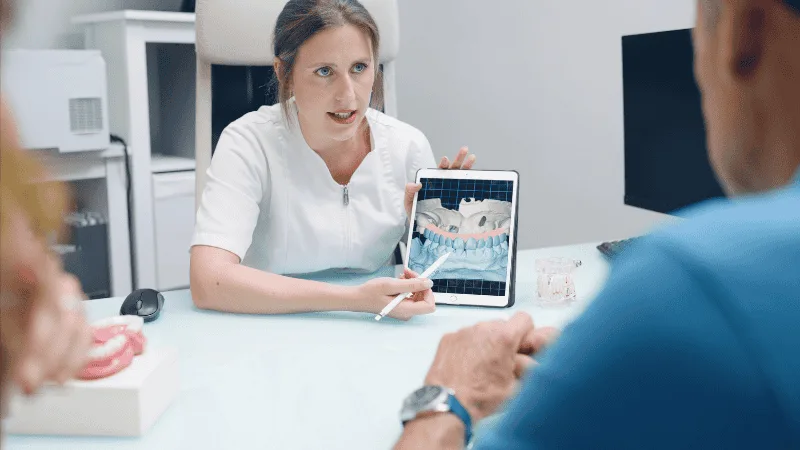
A thorough initial consultation reveals whether your dentist truly understands your needs.
Your provider should perform comprehensive diagnostic tests including digital scans and 3D imaging before recommending treatment.
During your consultation, expect detailed discussions about your medical history, bone density, and any conditions that might affect healing.
The dentist should explain exactly how they’ll customize your treatment plan based on your specific situation.
Questions about the technology used and expected healing time help you understand the dentist’s approach.
Your provider should also discuss costs, financing options, and potential risks without rushing you into a decision.
Pay attention to how well the dental team communicates. They should answer all your questions clearly and make you feel comfortable throughout the process.
A good implant dentist takes time to understand your goals and concerns before creating a treatment plan.
Experience the future of dental implants right here in Stuart, FL. Visit our office for a personalized consultation and see how our advanced technology and experienced team can give you back your smile in a single appointment.
Frequently Asked Questions
People often have similar questions about whether they qualify for same-day implants and what the process involves.
The answers depend on your bone health, overall medical condition, age, and financial planning options.
What are the typical qualifications for a patient to receive same-day dental implants?
You need healthy, dense jawbone and gum tissue to qualify for same-day dental implants.
Your dentist will look for sufficient bone volume at the implant site without the need for extensive bone grafting.
Good oral hygiene is essential. You must be committed to maintaining proper care and attending follow-up appointments.
Eligibility depends on bone strength, gum health, bite alignment, and implant stability at the time of placement. Your extraction site should be free from infection if you recently lost a tooth.
How does one’s oral health status affect their eligibility for same-day dental implants?
Your current oral health plays a major role in determining if you qualify. Active periodontal disease or untreated gingivitis can compromise implant stability and prevent successful treatment.
Chronic gum infections may need to be resolved before you can receive same-day implants. Your dentist will perform periodontal evaluations to measure pocket depths and assess tissue health.
Patients with poor oral hygiene habits may not be good candidates. The implant needs a clean, healthy environment to integrate properly with your jawbone.
Can someone with underlying medical conditions still qualify for same-day dental implants?
You can still qualify if your medical conditions are well-controlled. However, uncontrolled diabetes, severe osteoporosis, and immune disorders can adversely affect healing.
Your dentist will review your complete medical history during the evaluation. Conditions like cardiovascular disease need to be managed properly before proceeding with the procedure.
Certain medications can affect your candidacy. Bisphosphonates or corticosteroids may compromise bone remodeling and healing.
A history of radiation therapy to your head or neck might affect bone regeneration.
Smoking reduces blood flow and impairs healing, which can disqualify you or require you to quit before treatment.
Is there an age limit or minimum age requirement for same-day dental implant candidates?
There is no strict age limit for same-day dental implants. Your overall health and bone quality matter more than your age alone.
Younger patients often have higher bone density and quicker healing. This makes them ideal candidates for immediate implant placement.
Older patients can also receive same-day implants if they maintain good oral hygiene and systemic health.
Modern imaging helps assess bone quality in all age groups, allowing dentists to adjust treatment protocols as needed.
How do bone density and jaw structure impact the suitability for same-day dental implants?
Your bone density directly affects whether the implant can be securely placed and immediately loaded. Dense, healthy bone provides the stability needed for same-day treatment.
Dentists use CBCT scans to create three-dimensional images of your jaw. These scans reveal bone quality, thickness, and any irregularities that might affect placement.
Low bone density may require bone grafting before you can receive implants. Your jaw structure must have enough height and width to support the implant post.
Occlusal forces and jaw alignment are also evaluated. Your bite pattern needs to ensure that functional stresses won’t disrupt implant stability during the healing period.
What financial options are available for patients considering same-day dental implants?
Many dental practices offer low- or zero-interest payment plans through third-party financing companies. These plans help make treatment more affordable by spreading costs over time.
Some offices provide in-house budgeting programs and special promotional offers. You should ask about these options during your consultation.
Dental insurance coverage varies, but some plans may cover part of the procedure. Your total cost typically includes the implant, provisional and final restorations, diagnostic imaging, surgical fees, and follow-up appointments.
Same-day implants usually have a higher upfront expense than traditional implants. However, you may save money overall through fewer appointments and less downtime from work.